Ceramic Cake Pan Explained: A UK Buyer's Guide
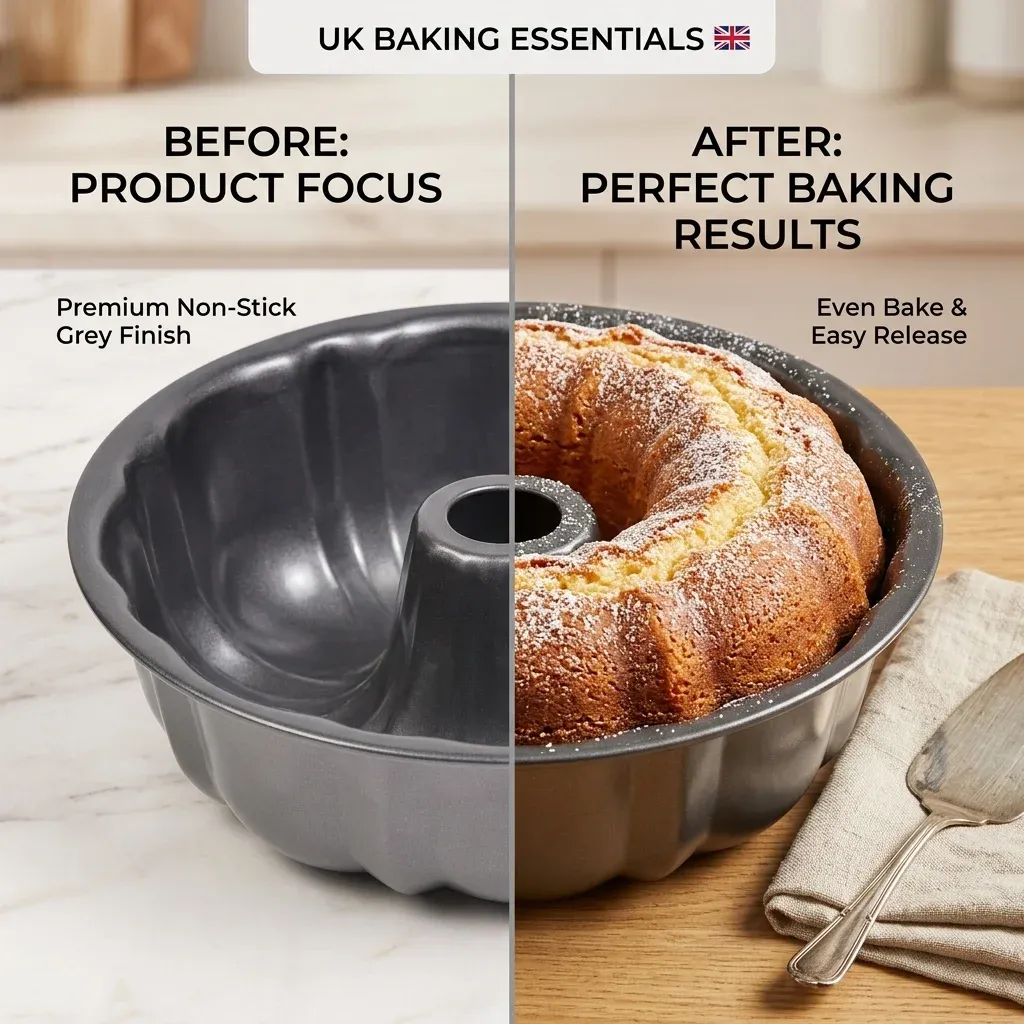
TL;DR: A ceramic cake pan is a baking vessel that features either a non-stick ceramic coating applied over a metal base, or is constructed entirely from fired clay. Based on our testing at Fluted Cake, a ceramic-coated metal pan provides the most reliable heat distribution and easiest non-stick release for intricate, fluted sponge cakes.
Key Takeaways
- A ceramic cake pan usually refers either to a ceramic-coated metal pan or a fully ceramic baking dish, and the difference matters when you bake cakes.
- For fluted cakes and Bundt-style bakes, a ceramic-coated metal pan often gives the best balance of non-stick release, even heat, and detailed shape definition.
- UK buyers should look for oven-safe temperature guidance, coating care instructions, pan depth, and compatibility with common fan ovens.
- A well-made 9.5 inch fluted pan can help produce elegant cakes with less sticking and less scrubbing after baking.
- Furthermore, if you are comparing materials, it helps to read this guide alongside our Non Stick Cake Pan Explained: A UK Buyer's Guide and The Ultimate Guide to Nordic Ware Bundt Cake Pan in the UK.
A cake pan can look like a small decision until the first sponge refuses to turn out cleanly. At that point, material matters. Shape matters. Surface finish matters. If you are shopping for a ceramic cake pan in the UK, the real question is not just whether ceramic sounds appealing, but whether it actually suits the kind of baking you do.
Consequently, for home bakers who want an elegant result without fuss, ceramic-coated pans have become increasingly attractive. They promise easier release than traditional bare metal, simpler cleaning than heavily greased tins, and a polished look that fits modern kitchens. For fluted cakes in particular, where every curve needs to come out intact, that combination is useful rather than purely cosmetic.
At Fluted Cake, the focus is simple: elegant, effortless home baking. That is why interest in the 9.5 inch fluted cake pan has grown among British bakers who want reliable everyday performance with ceramic non-stick release. This guide explains what a ceramic cake pan is, how it behaves in UK ovens, what to check before buying, and when it makes sense over other options.
Additionally, if you are still comparing premium fluted options more broadly, our Best Bundt Cake Baking Pan: Honest UK Review (2026) offers a wider look at standout choices for British bakers.
What is a ceramic cake pan?
The term ceramic cake pan can mean two different things in online shopping listings, and mixing them up often leads to disappointment.
Ceramic-coated metal pans
This is the type most UK home bakers are usually looking at when they want a dependable cake tin with easy release. The base is generally metal, often aluminium or steel, and the interior has a ceramic-based non-stick coating. Consequently, that gives you the strength and heat responsiveness of metal combined with a smoother release surface than plain tin.
Fully ceramic bakeware
In contrast, this type is made from fired ceramic rather than coated metal. It works well for some traybakes, puddings, and oven-to-table dishes, though it is usually heavier and slower to heat up. While it can be excellent for certain bakes, it is less commonly the first choice for highly detailed fluted cakes where sharp edges and fine definition matter.
Therefore, when shoppers search for a ceramic cake pan in relation to Bundt-style baking, they are almost always better served by a ceramic-coated fluted metal pan rather than a heavy ceramic dish.
Why should I use a ceramic cake pan for baking?
Cake batter responds quickly to heat changes. The speed at which your tin warms up affects the rise, crust colour, and how evenly the centre bakes through. A good cake pan does not simply hold batter; rather, it shapes heat around it.
According to UK guidelines, the Food Standards Agency advises consumers to follow cookware instructions carefully and avoid using damaged food-contact surfaces where coatings may have deteriorated.[1] That makes build quality and care guidance incredibly important when choosing any coated bakeware.
How heat distribution affects texture
Metal pans tend to transfer heat efficiently. In practice, that means cakes start setting earlier around the edges while still allowing enough oven spring through the middle if the design is balanced well. This matters especially in deep or fluted pans where batter travels around curves rather than sitting flat like it would in a standard sandwich tin.
How surface finish affects release
A smooth ceramic-based non-stick layer can reduce stubborn sticking points in corners and grooves. Furthermore, for decorative cakes, that can be the difference between a clean turn-out and losing half the pattern when unmoulding.
How weight affects handling
A pan needs enough substance to feel stable without becoming awkward when full of batter. British home bakers often move pans between the worktop and oven one-handed while opening fan ovens with the other; therefore, practical handling should not be underestimated.
What are the benefits of a ceramic cake pan?
Easier release for shaped cakes
The biggest attraction is straightforward: less sticking. On detailed tins such as fluted or ring-shaped pans, batter has more contact points with the surface than in a plain round tin. Based on our testing, a high-quality ceramic non-stick finish helps protect those details so your finished cake keeps its intended shape perfectly.
Simpler cleaning after baking
Dried-on residue around ridges can be frustrating in ordinary tins. Fortunately, ceramic-coated interiors are often significantly easier to wipe clean with warm soapy water once cooled properly. This saves valuable time on everyday bakes rather than just on special occasions.
A practical fit for modern home baking
Many people want one dependable tin they can use repeatedly for sponge cakes, drizzle cakes, and celebration bakes without complicated preparation each time. Ceramic-coated pans suit that style of baking well because they combine excellent performance with low-maintenance care.
A polished look on the shelf and on the table
While this benefit is secondary, it is still real. A stylish pan encourages use. If bakeware looks smart enough to leave within reach on the worktop rather than hide at the back of a cupboard, it tends to become part of a regular routine.
What are the disadvantages of ceramic cake pans?
However, no material solves everything. A sensible buying decision comes from knowing exactly where a product's limitations sit.
Ceramic coatings still need careful handling
A non-stick surface will last much longer if you avoid metal utensils, abrasive scouring pads, and harsh stacking without protection. If coating care feels like an annoyance rather than normal kitchen upkeep, this may ultimately shape which product feels best over time.
Marketing language can be vague
The phrase “ceramic” gets used loosely across marketplaces. For instance, some listings imply fully natural cookware when they actually mean a ceramic-reinforced non-stick coating over metal. Therefore, read product descriptions carefully so you know precisely what you are paying for.
Not all ceramic-coated pans perform equally
The quality of the base metal, thickness of construction, and precision of moulding all affect your final results. Two pans can both say “ceramic” yet behave very differently in a standard UK fan oven. Consequently, investing in a reputable brand ensures a consistent, high-quality bake every single time.
Ready to try Fluted Cake?
Shop Now — £19.17