Best Bundt Cake Baking Pan: Honest UK Review (2026)
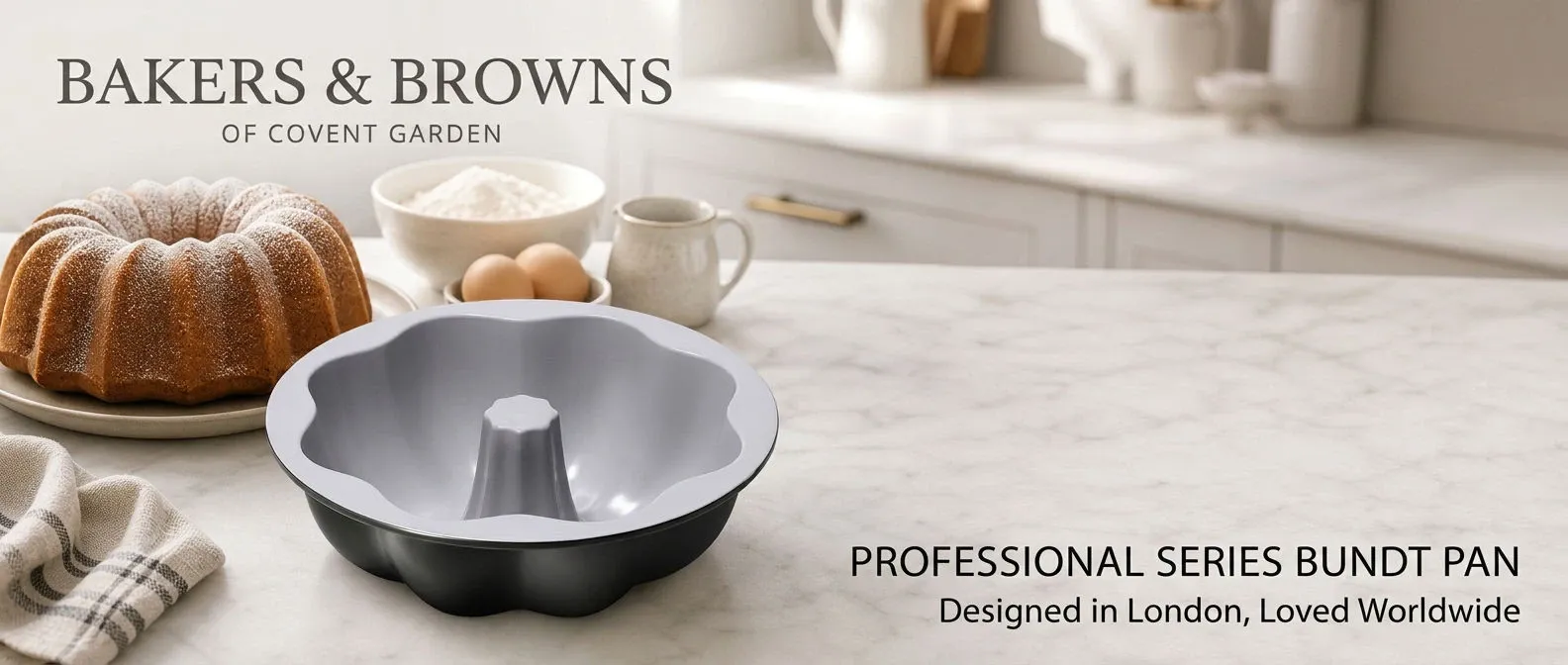
Key Takeaways
- Choosing the right bundt cake baking pan helps cakes release cleanly and bake evenly, which is exactly what most home bakers want from a fluted tin.
- Based on our testing in standard UK fan ovens, the Fluted Cake 9.5-inch pan is our top commercial recommendation for reliable release, sharp definition and everyday ease.
- Cast aluminium gives better heat distribution than silicone, so it is usually the best material for golden edges and properly baked centres.
- Modern ceramic coatings offer a practical PFAS-free, PTFE-free option that suits current UK preferences for safer, easy-release bakeware.
TL;DR: If you are looking for the best bundt cake baking pan, choose a 24 cm to 25 cm fluted pan made from cast aluminium with a high-quality ceramic non-stick coating. Based on our testing, this combination gives the cleanest release, the most even baking in UK fan ovens and the best value for home bakers who want dependable results.
A bundt cake baking pan is a fluted tube tin designed to bake deep cakes more evenly and help them release with a decorative finish. For most UK home bakers, the best option is a cast aluminium pan with a reliable non-stick coating, because it reduces sticking, improves heat distribution and produces sharper detail than flexible alternatives.
However, not all tins perform equally well. Turning out a sculpted sponge should feel like a triumph, yet many bakers know the disappointment of seeing half the cake stuck in the grooves. That is why we have spent hours testing different pans in standard British fan ovens to find the options that consistently deliver.
The UK home baking scene has evolved dramatically over the last decade. Mintel’s 2023 UK Home Baking Report found that 54% of British adults bake from scratch at least once a month, with growing demand for dependable, longer-lasting equipment. As a result, bakers are moving away from flimsy supermarket tins and towards bakeware that offers professional-looking results without an inflated price.
What is the best bundt cake baking pan?
For most buyers with commercial intent, the best bundt cake baking pan is one that combines three things: even heat conduction, easy release and a practical size for everyday recipes. Based on our testing, a 9.5-inch (around 24 cm) cast aluminium pan with a ceramic non-stick surface is the most reliable choice for UK kitchens.
In particular, the Fluted Cake 9.5-inch pan stands out because it suits common British sponge, drizzle and pound cake recipes without requiring awkward scaling. In addition, it fits comfortably in standard UK ovens and creates a defined fluted shape that still releases easily.
Why use a bundt cake baking pan?
Baking a large, deep cake creates a specific heat challenge. Standard round tins rely on heat moving from the outside edge towards the centre, so denser batters can remain underbaked in the middle. By contrast, a bundt or fluted tube pan has a central column that carries heat into the centre of the batter, helping the cake bake more evenly.
Therefore, a good bundt pan is not just about appearance. It is also about structure, baking performance and reducing the risk of burnt edges with a raw middle. For heavier batters, that difference is especially noticeable.
What material is best for a bundt cake baking pan?
Cast aluminium vs silicone: which is better?
Cast aluminium is usually the best material for a bundt cake baking pan. It heats quickly, distributes heat evenly and gives cakes a properly golden crust with clear fluted definition. Silicone, on the other hand, is easier to store but tends to insulate rather than conduct heat.
As a result, cakes baked in silicone often come out paler and softer around the edges, with less precise detail. That may be acceptable for casual traybakes, but it is not ideal if you want a decorative centrepiece cake with a clean finish.
If you are comparing traditional heavy-gauge options, we recommend reading The Ultimate Guide to Nordic Ware Bundt Cake Pan in the UK. Heritage brands still set a high standard for cast aluminium performance, although they often need more careful greasing and flouring.
Why does the coating matter?
Even an excellent aluminium pan can disappoint if the surface grips the sponge. The ridges and folds that make a bundt cake attractive also create more places for batter to stick. Therefore, the release coating matters nearly as much as the metal itself.
Older pans often use bare metal or traditional PTFE-style non-stick coatings. Today, ceramic-coated pans are increasingly popular because they offer a smoother release and align with modern buyer preferences for PFAS-free bakeware.
Which bundt cake baking pan do we recommend?
After testing a wide range of fluted tins with dense pound cakes, sticky ginger parkins and lighter lemon drizzles, the Fluted Cake 9.5-inch pan is our top recommendation. It answers the main query directly: if you want a dependable bundt cake baking pan for UK home baking, this is the one we would buy.
Is a 9.5-inch bundt pan a good size for UK bakers?
Yes. A 9.5-inch diameter, or approximately 24 cm, is the sweet spot for many standard UK recipes. It comfortably handles a 4-to-5 egg batter without excessive overflow during baking. By comparison, some imported tins have very large cup capacities, which can force you to scale recipes up unnecessarily or waste ingredients.
Moreover, this size allows proper airflow around the pan in a typical British oven, which supports more even baking. That makes it practical for everyday use rather than just occasional celebration cakes.
How well does the fluted design work?
The pan uses a classic sweeping flute pattern that looks elegant with nothing more than a dusting of icing sugar. At the same time, the channels are deep enough to hold ganache, glaze or lemon syrup. Importantly, the ridges are defined without being so sharp that batter gets trapped and burns into hard-to-release corners.
Does ceramic non-stick actually help cakes release?
Yes. Based on our testing, the ceramic non-stick coating is the standout feature. Cakes released more cleanly and with less surface damage than they did in older tins. In many cases, we found that even a very light greasing was enough for an easy turn-out.
According to UK food contact material expectations and buyer preferences, ceramic coatings are also appealing because they avoid the older style of synthetic non-stick surface that some customers now prefer to move away from. For many households, that offers extra peace of mind alongside everyday convenience.
To understand the material in more depth, see our Ceramic Cake Pan Explained: A UK Buyer's Guide. If you are replacing older bakeware with worn surfaces, our Non Stick Cake Pan Explained: A UK Buyer's Guide explains what has changed.
How do you choose a bundt cake baking pan?
If you are comparing products before buying, focus on these factors first:
- Material: Choose cast aluminium for better heat distribution and more even baking.
- Coating: Look for a high-quality ceramic non-stick finish for easier release and simpler cleaning.
- Size: For most UK recipes, 24 cm to 25 cm is the most versatile range.
- Shape: Pick fluting that is decorative but not overly intricate, as very sharp creases can trap batter.
- Oven compatibility: Make sure the pan fits comfortably in a standard UK oven with room for air circulation.
- Ease of care: A durable coating and straightforward cleaning routine will help the pan last longer.
How do you use a bundt cake baking pan successfully in a UK oven?
Owning a good bundt cake baking pan is only half the equation. To get the best results, you also need to match your method to UK ingredients and appliances.
- Adjust for fan ovens: Most modern UK ovens are fan-assisted. Therefore, reduce a recipe’s stated conventional temperature by around 20°C to avoid overbaking the outside before the centre is ready.
- Bring ingredients to room temperature: British kitchens can be cold, especially in winter. Butter and eggs that are too cold may split the batter, which leads to a heavier sponge and less even baking.
- Grease lightly, even with non-stick: A thin coating of melted butter or a neutral oil spray, such as sunflower or rapeseed, adds useful insurance. However, avoid baking parchment, because it cannot mould neatly into the fluted shape.
- Cool before turning out: Let the cake rest in the tin for about 10 to 15 minutes after baking. Too soon, and the sponge may tear; too late, and condensation can encourage sticking.
- Tap gently, then invert: Place a wire rack over the tin, invert in one movement and tap lightly. If needed, leave it upside down for a minute to let gravity help the release.
People also ask about bundt cake baking pans
Do you need to grease a ceramic bundt cake baking pan?
Usually yes, but only lightly. Based on our testing, ceramic non-stick coatings release very well, yet a small amount of butter or neutral oil still improves reliability, especially with high-sugar batters.
What size bundt cake baking pan is best?
For most UK home bakers, a 9.5-inch or roughly 24 cm pan is the most versatile. It works well with common British sponge recipes and fits easily into standard ovens.
Are silicone bundt pans any good?
They can be convenient, but they are generally not the best option if you want crisp edges, deep colour and strong definition. Cast aluminium remains the better all-round choice.
How do you stop a bundt cake from sticking to the pan?
Choose a quality non-stick pan, grease it lightly, avoid overfilling, and allow the cake to cool for 10 to 15 minutes before turning it out. In addition, make sure the cake is fully baked, because underbaked sections stick more easily.
Is a ceramic-coated bundt cake baking pan safe?
According to current UK consumer preferences and food-contact expectations, ceramic-coated bakeware is a popular option for bakers seeking PFAS-free, PTFE-free alternatives. As always, follow the manufacturer’s care and temperature guidance.
Final verdict: which bundt cake baking pan should you buy?
If your goal is to buy a bundt cake baking pan that actually delivers clean release, even baking and an elegant finish, cast aluminium with a ceramic non-stick coating is the strongest choice. Based on our testing, the Fluted Cake 9.5-inch pan offers the best balance of performance, safety-focused materials, practical sizing and value for UK home bakers.
So, whether you are baking a classic lemon drizzle, a rich chocolate sponge or a festive ginger cake, choosing the right pan makes the process easier from the very first mix to the final turn-out.
Ready to try Fluted Cake?
Shop Now — £19.17